
FCL vs LCL: Should You Ship a Full or Shared Container from China?
By Hasan Olwan, in Yiwu since 2009 · Last updated: November 3, 2026
The short answer: FCL (full container load) means you book a whole container. LCL (less than container load) means your goods share one, and you pay for your space. Below about 15 CBM, LCL usually makes sense. From 15 to 28 CBM, compare both. Above that, FCL usually wins. Always compare full cost to the same delivery point.
The first number on a shipping quote doesn’t tell the whole story. A shared container can end up costing more once handling and consolidation fees are added, and a full container is a waste if you’re paying for empty space.
This guide explains what each option means, how they differ, when to choose each one, and how to compare two quotes properly.
What FCL and LCL mean
FCL: full container load
You book the entire container for your goods alone. It doesn’t have to be 100% full, because you’re paying for the container, not the space you use. According to Maersk, your goods stay sealed from origin to destination, with fewer handovers. That’s why FCL suits large, fragile or high-value shipments.
LCL: less than container load
Your goods share a container with other shippers, and you pay for the volume you use, usually measured in CBM (cubic meters). Your cartons go to a consolidation warehouse, get loaded with other cargo, and are separated again when they arrive. That gives you flexibility for small orders, but it also adds steps, fees and handling.
Terms you’ll see on a quote
- CBM: cubic meters. Work it out from your real carton sizes, not a rough guess. Our CBM calculator does this for you.
- CFS: container freight station, the warehouse where LCL cargo is consolidated and separated.
- Commercial invoice and packing list: these must match the goods in description, quantity, cartons, weights and sizes.
- Incoterms: terms like FOB, CIF and DDP that decide who pays for what. Read our FOB vs CIF vs DDP guide first, because two quotes on different terms can’t be compared.
FCL vs LCL compared
| Compared on | FCL (full container) | LCL (shared container) |
|---|---|---|
| Container use | Yours alone | Shared with other shippers |
| Usual pricing | Per container | By volume, usually per CBM |
| Best for | Larger or regular shipments | Smaller or irregular shipments |
| Handling | Less | More: consolidated, then separated |
| Timing | Fewer steps that can cause delay | Depends on consolidation and warehouse schedules |
| Risk of damage | Lower, sealed container | Higher, more touchpoints |
| Cash needed | More, you pay for the container | Less for small shipments |
How much fits in each container:
| Container | Total volume | Usable volume |
|---|---|---|
| 20ft | about 33 CBM | about 28 CBM |
| 40ft | about 67 CBM | about 58 CBM |
| 40HQ (high cube) | about 76 CBM | about 68 CBM |
Maersk’s general guide is LCL below 15 CBM and FCL from about 15 to 20 CBM and up, but it’s a guide, not a rule. Your route, season and goods can change the answer.
When to choose LCL
LCL isn’t simply the cheaper version of a container. It’s the practical choice when your volume doesn’t justify a whole one, or when you’d rather not tie your cash up in stock.
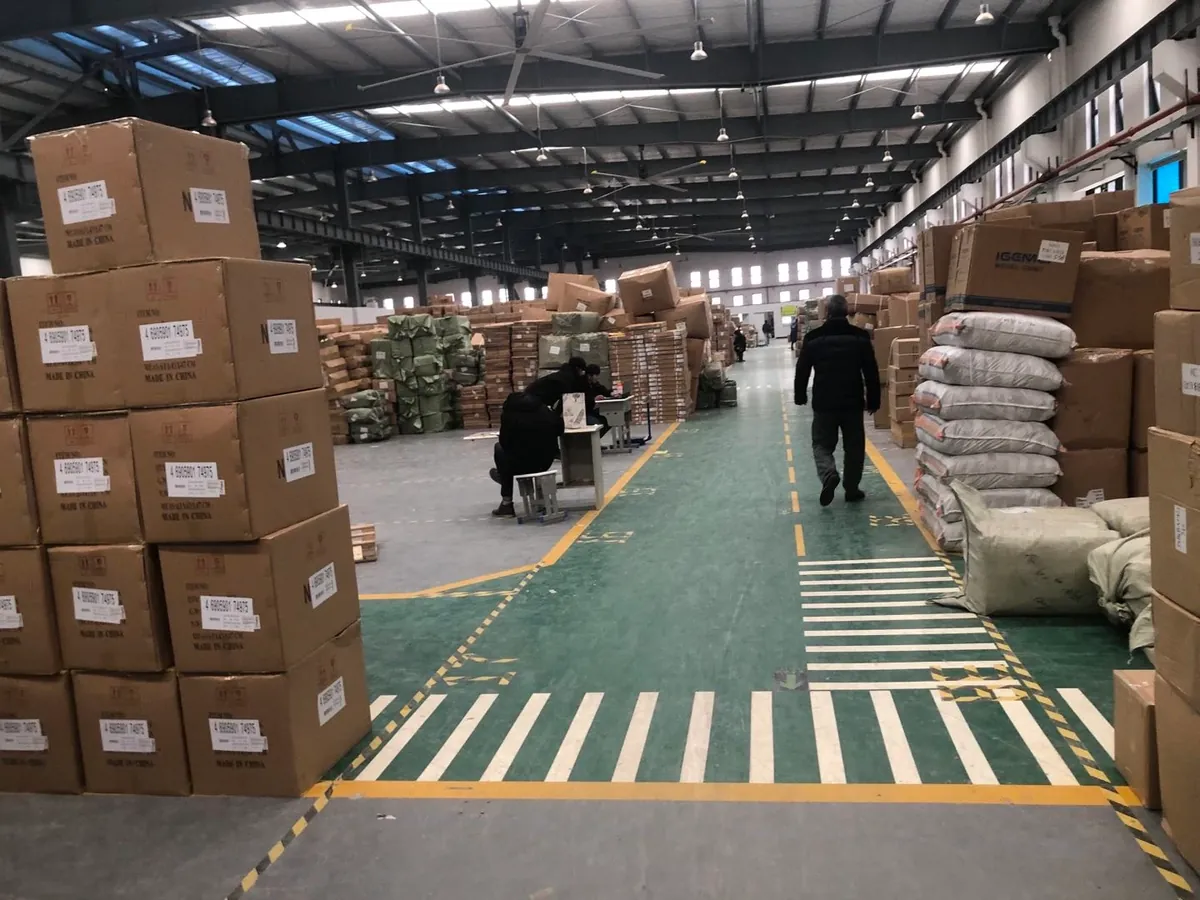
Choose LCL when:
- Your order won’t come close to filling a container.
- You’re testing a product before you commit to bigger quantities.
- You’re buying small amounts from several suppliers and can consolidate them in one warehouse first.
- You’d rather ship smaller batches than hold a lot of stock.
- Your goods aren’t urgent, and your schedule can absorb consolidation time.
What to watch out for:
- Fees that aren’t in the first number. Inland transport, consolidation, handling, destination warehouse fees, clearance and local delivery can all be extra. Ask for an itemized quote, not just a price per CBM.
- More handling. Cartons get moved more often, so they need strong packaging and clear labels.
- Less predictable timing. The shipment depends on consolidation and warehouse schedules. That matters for seasonal goods.
- Cost rises with volume. As your shipment grows, the total can get close to a full container.
When to choose FCL
Choose FCL when:
- Your volume is large, or your orders are regular enough to use the space.
- Your goods are fragile or moisture-sensitive and should be handled as little as possible.
- Your goods are valuable, and you don’t want them mixed with other cargo.
- You have somewhere to put the stock and a sales plan to move it.
- You want a more direct schedule without waiting for other people’s cargo.
FCL costs more up front, but the cost per unit can drop if you use the space well, and you avoid LCL’s consolidation and separation fees.
When FCL is the wrong call: when a lot of the space stays empty, when you can’t realistically sell that much stock, or when a big delivery would drain the cash you need for marketing and operations. A container only lowers your unit cost if you can sell what’s inside it.
How to compare the real cost
The most common mistake is comparing two numbers that don’t cover the same service. A low LCL price to the port and an FCL price to your warehouse aren’t a fair comparison.
Ask both quotes to state:
- Pickup point in China: supplier’s factory, warehouse or port
- Delivery point: port, forwarder’s warehouse or your door
- The Incoterm you agreed with the supplier
- All fees at origin and destination, including possible delay fees
- Whether insurance and inland transport are included
Then work out your landed cost, meaning everything you pay until the goods are ready to sell:
Landed cost = goods + China costs + inspection and consolidation + freight + insurance + duties and clearance + local delivery
Unit cost = landed cost ÷ units you can actually sell
Follow these steps:
- Get the carton count, carton sizes, weights and a draft packing list from the supplier.
- Calculate the real volume in CBM.
- Get an itemized LCL quote to the delivery point you want.
- Get an FCL quote for the right container, to the same point and on the same terms.
- Add the costs missing from the freight line, such as inspection, clearance and insurance.
- Compare unit cost, then weigh time, fragility and whether you can fund and store the stock.
- Pick the option with the lowest total cost and risk, not the lowest first number.
An example without made-up prices: a buyer gets goods from three suppliers in Yiwu and collects the carton list from each one. They ask for two quotes with the same scope: LCL from the Yiwu warehouse, and FCL from the same pickup to the same delivery point. If the LCL fees bring the total close to a full container, and they have other fast-selling items to add, FCL starts to make sense. If they’re still testing the product, LCL may be the lower-risk choice, even at a slightly higher unit cost.
Risks to manage before you book
Packaging matters with both
A container can’t make up for weak cartons. In LCL, carton strength and labels matter more because of the extra handling. In FCL, goods can still shift or suffer from moisture if they’re loaded badly. Ask the supplier to confirm carton type, inner protection, quantity per carton, weight and size.
Inspection protects your decision
Booking FCL doesn’t replace inspection, and LCL doesn’t mean accepting goods unchecked. With several suppliers, counting goods and recording carton sizes is part of the shipping decision, because wrong data affects your cost and your documents. A quality inspection lowers the chance of receiving the wrong goods, though no inspection catches everything.
Documents can cost more than the freight difference
Check that the invoice and packing list match the shipment before you book. Check your product’s HS code and any compliance rules in your country early, because duties and certificates vary by country and product. Don’t rely on the supplier’s description or another importer’s experience in a different market.
Frequently asked questions
Do I have to fill the container to choose FCL?
No. FCL means you book the whole container, however full it is. Compare the cost of the empty space against the total cost of LCL before you book.
How is LCL priced?
Usually by volume in CBM, though carriers may charge on weight or volume under their terms. Ask for a breakdown of origin, destination, consolidation and handling fees.
Is LCL always cheaper than FCL?
No. It costs less up front for small shipments, but it can stop making sense as volume and fees rise. Compare the landed cost of both to the same delivery point.
Why can LCL take longer?
LCL goods are consolidated with other cargo at origin and separated at destination. Those extra steps can affect the schedule. Our door-to-door estimate for sea freight, LCL or FCL, is 30 to 65 days, depending on destination.
Is FCL safer than LCL?
It usually has fewer touchpoints, because the container is yours and stays sealed. You still need good packaging, proper loading, inspection, and insurance where it makes sense.
Can I ship goods from several suppliers in one container?
Yes. Goods can come to one warehouse, get checked and consolidated, then ship FCL or LCL. Our Yiwu warehouse does this every day.
Summary
- LCL suits smaller volumes, usually under 15 CBM.
- FCL suits larger volumes and sensitive or valuable goods.
- Between 15 and 28 CBM, get both quotes.
- Compare landed cost to the same delivery point.
- Whichever you pick, get packaging, inspection and documents right.
Send us your product, carton count, carton sizes, destination and target date, and we’ll compare FCL and LCL using your real numbers.